
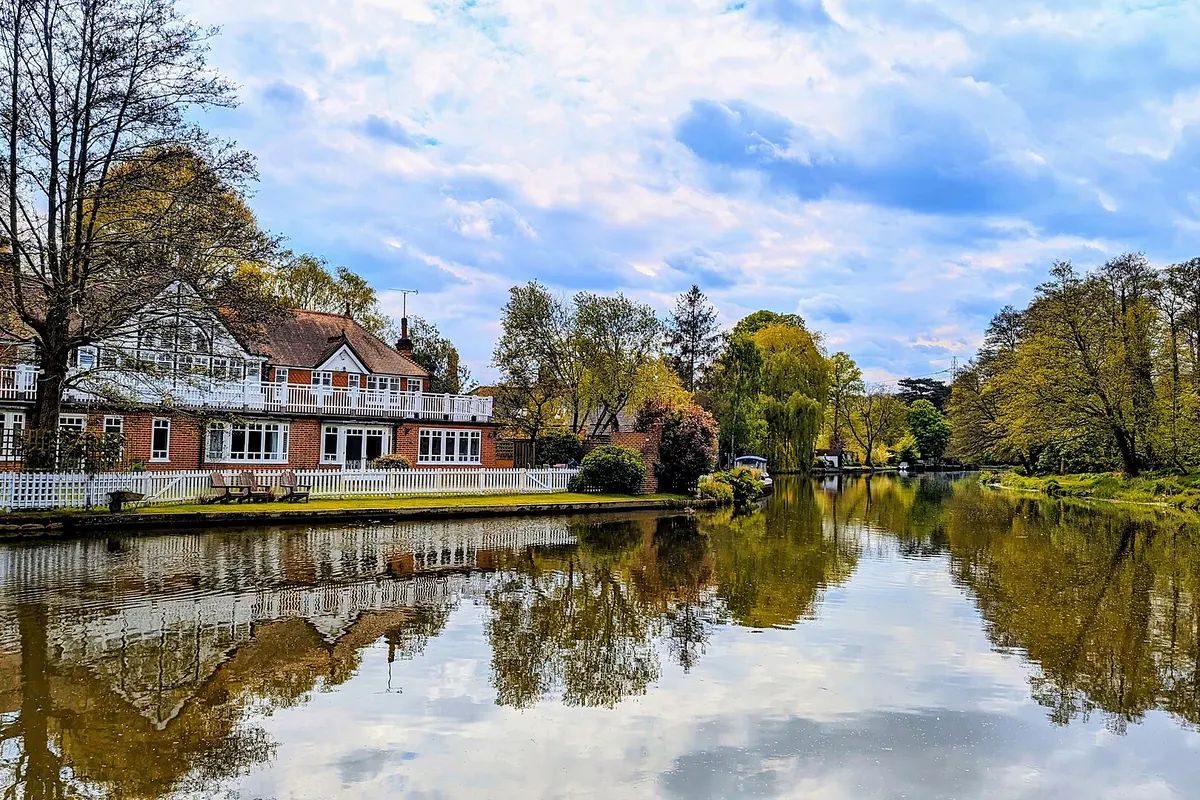
By Go Locate · Sources checked 13 October 2026
A good family move gives you more than a manageable train journey. It also makes school mornings, childcare, shopping, rainy afternoons and weekends work. The right choice depends on where in London you need to be, what you can afford, and which compromises your household can live with.
Our starting shortlist: Woking, Guildford and Weybridge for the Waterloo corridor; St Albans for St Pancras; Sevenoaks and Tonbridge for London Bridge; Chelmsford and Ingatestone for Liverpool Street; Maidenhead for the Elizabeth line; and Amersham for Marylebone and the Metropolitan line.
These are editorial suggestions to investigate, not a statistical league table. There is no town that is best for every family, and the weekend ideas below are suggestions drawn from official venue pages, not reviews of visits we have made.
How we chose these places
This guide covers six Home Counties: Berkshire, Buckinghamshire, Essex, Hertfordshire, Kent and Surrey. It includes cities, towns and a village with rail connections into London, alongside specific reasons a family might enjoy living there: parks, museums, markets, leisure centres and places to go when it rains.
Our comparisons use operator route information, council and attraction sources, and practical household trade-offs. We have not scored school quality, ranked safety, surveyed residents or declared a cheapest town. Prices, admissions, opening times and journey times need checking for the individual home and date.
Compare the shortlist
| Place | County | Family life highlights | London rail connection to investigate | Check before committing |
|---|---|---|---|---|
| Woking | Surrey | The Lightbox gallery and museum, theatre, parks and play areas | Waterloo | The home-to-station leg and your return train |
| Guildford | Surrey | Riverside walks, Stoke Park, a riverside theatre and a monthly farmers' market | Waterloo | Hills and the combined school/station route |
| Weybridge | Surrey | River walks and the Brooklands Museum day out | Waterloo | Station access and flood information for the address |
| St Albans | Hertfordshire | Verulamium Park, a Roman museum and the Charter Market | St Pancras via St Albans City | You are checking City station, not Abbey station |
| Sevenoaks | Kent | Knole's deer park plus The Stag theatre and cinema | London Bridge; check onward services | Station, school and park may pull you in different directions |
| Tonbridge | Kent | Castle grounds, the River Medway and a large central sportsground | London Bridge; check onward services | School admission rules and the exact property budget |
| Chelmsford | Essex | City parks, pool and ice rink, and Hylands' adventure playground | Liverpool Street | Suburban travel to the station and childcare |
| Ingatestone | Essex | A village high street, library and a Tudor hall with seasonal opening | Liverpool Street | Whether daily essentials and backup travel work for you |
| Maidenhead | Berkshire | Thames-side Boulters Lock and the Norden Farm arts centre | Elizabeth line through central London | The actual service pattern, total time and fare |
| Amersham | Buckinghamshire | Old Town high street, a hands-on local museum and countryside nearby | Marylebone; Metropolitan line | Old Amersham and Amersham-on-the-Hill are distinct areas |
Connections are starting points, not promises about every train. Venue details can change, so check opening times and prices before you plan a visit.
Surrey: three different ways to use the Waterloo corridor
Woking: a town-centre base with an indoor escape

Woking works best for families who like having a lot within one town centre. Its standout indoor option is The Lightbox (opens in a new tab), a gallery and museum with changing exhibitions and Woking's Story, a local-history gallery: a useful plan for a wet Saturday. The council's arts venues page (opens in a new tab) lists other cultural spaces, and Woking Theatre (opens in a new tab) stages touring shows that might suit an occasional family treat.
A weekend idea: an exhibition at The Lightbox in the morning, then lunch in town and an afternoon in one of the parks or play areas in the council's green spaces directory (opens in a new tab).
The trade-off: a central location is not the same as every home being close to it. Prioritise the triangle between home, childcare and station: a less exciting-looking house could be the better family choice if one adult can manage drop-off and the train without an extra car journey.
Guildford: river, market and a theatre by the water
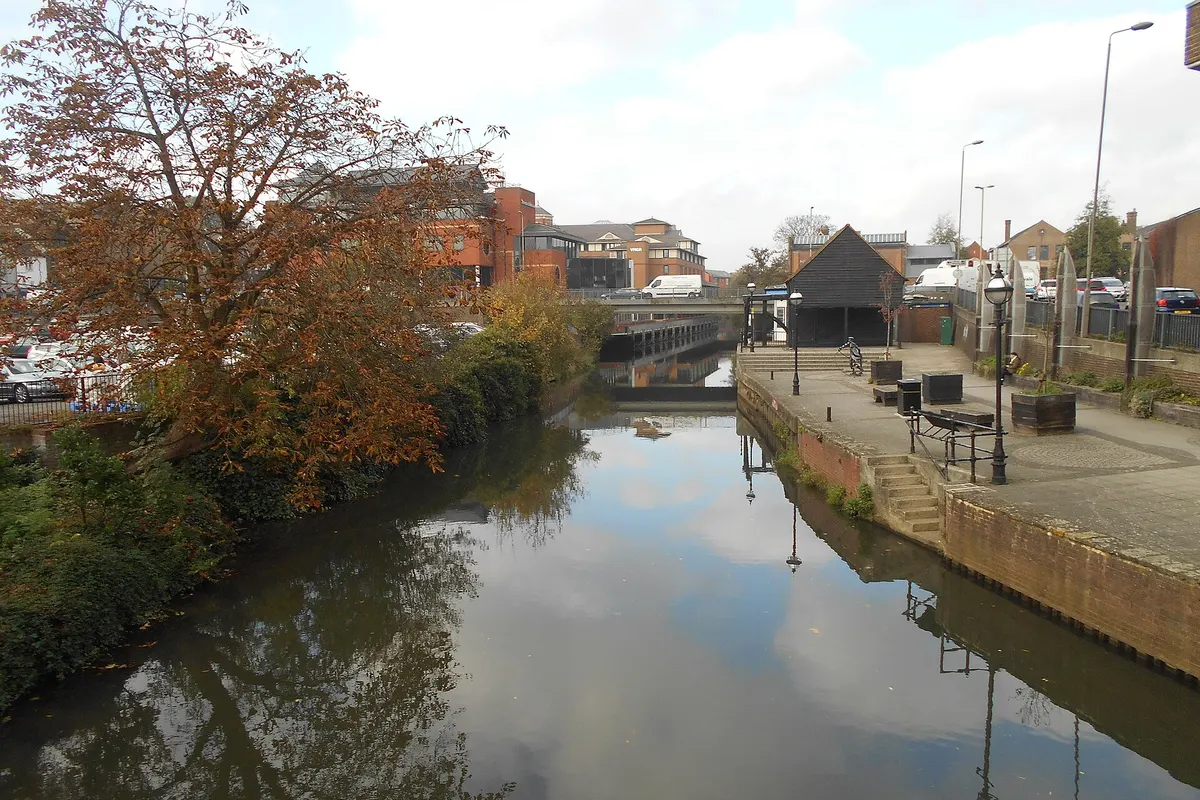
Guildford mixes a busy county town with plenty of outdoor space. The River Wey and Dapdune Wharf (opens in a new tab) give you a riverside walk with a story attached, while Stoke Park (opens in a new tab) is a large park for kicking a ball about. The Yvonne Arnaud Theatre (opens in a new tab) sits by the river and is worth checking for family productions.
A weekend idea: on a market day, browse the farmers' market on the High Street (opens in a new tab) (it runs on set dates, not every day), then follow the river path. Save the theatre for a separate evening.
The trade-off: Guildford is hilly in places. Walk the actual route with a buggy or school bag: a distance that looks short on a map may feel different with gradients, crossings and a time limit.
Weybridge: riverside living and a big day out
Weybridge appeals to families who picture weekends by the water. The Wey Navigation links Guildford with Weybridge (opens in a new tab), so a towpath walk can be part of an ordinary Sunday rather than a special trip.
For a fuller family day, Brooklands Museum (opens in a new tab) covers motoring and aviation history, with aircraft to see and the London Bus Museum on site. Treat it as a destination outing; whether it is walkable depends entirely on where your home is.
A weekend idea: a morning at Brooklands, then a slower afternoon walk along the river.
The trade-off: decide how much you value those walks relative to station access. For any home, review area flood information (opens in a new tab) and the property's own evidence. An attractive river setting is not proof of risk, and the government map does not predict whether an individual property will flood.
Hertfordshire: St Albans
St Albans: Roman history, a big park and market days

St Albans gives families history they can actually walk through. Verulamium Park (opens in a new tab) is a large green space for picnics and play, and the nearby Verulamium Museum (opens in a new tab) tells the story of the Roman town: a ready-made rainy-day plan with a park next door for when the sun comes out.
The city's Charter Market (opens in a new tab) adds a lively browse on market days, alongside everyday shopping in the centre.
A weekend idea: the museum in the morning, a picnic in Verulamium Park, then a wander through the market if it is running that day.
The trade-off: a well-loved city centre does not tell you about the streets you can afford. Visit those streets and plan the school run from those addresses. Check each school's own admission rules rather than assuming a nearby home secures a place.
Kent: Sevenoaks and Tonbridge
Sevenoaks: deer park weekends and an arts centre in town

Sevenoaks suits families who want serious outdoor space close to town. Knole's parkland (opens in a new tab) is the obvious draw: a historic deer park for long walks and plenty of fresh air. When the weather turns, the district council describes the Stag (opens in a new tab) as a theatre and cinema venue; you can check current listings on The Stag's website (opens in a new tab).
A weekend idea: a morning walk in Knole park, then a film or show at The Stag later in the day.
The trade-off: the appealing weekend picture needs to work with the Monday morning one. Plot the station, your realistic school options and the homes you can afford on the same map; different parts of Sevenoaks give a different daily experience.
Tonbridge: castle, river and room for sport

Tonbridge is a good comparison for active families. Tonbridge Castle (opens in a new tab) sits beside the River Medway, giving the town centre a heritage setting with riverside paths. The central Racecourse Sportsground (opens in a new tab) offers space for sport, recreation and community events.
A weekend idea: explore the castle grounds (check the visitor page for what is ticketed), then take a riverside walk or bring a ball and a picnic to the sportsground.
The trade-off: compare Tonbridge and Sevenoaks using the same property type, bedroom count and station access. A town-wide average will not tell you which specific home is better value. If a particular school drives the decision, establish its admission requirements and realistic alternatives before narrowing the search.
Essex: a city and a village on the Liverpool Street corridor
Chelmsford: city parks, a pool and an ice rink
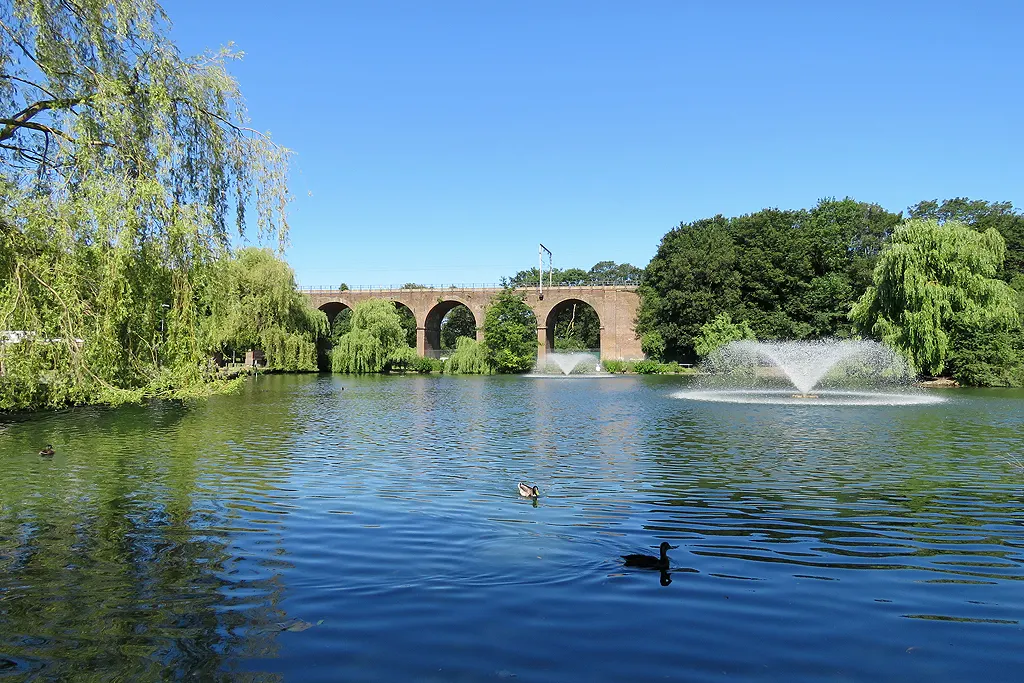
Chelmsford gives families city facilities on a manageable scale. Central Park (opens in a new tab) offers green space in the centre. For rainy days, Riverside Leisure Centre (opens in a new tab) lists swimming, a sensory splash area, soft play and an ice rink under one roof.
A short drive or bus ride out, Hylands Estate (opens in a new tab) has parkland and the Adventure Castle playground (opens in a new tab), a separate outing rather than something on the city-centre doorstep.
A weekend idea: Saturday morning swim or skate at Riverside, then an afternoon at the Hylands playground if the weather holds.
The trade-off: compare a home near the station with a larger or differently priced home farther out using total weekly time and cost, including the bus, walk or parking and the childcare handover.
Ingatestone: village high street and a Tudor hall
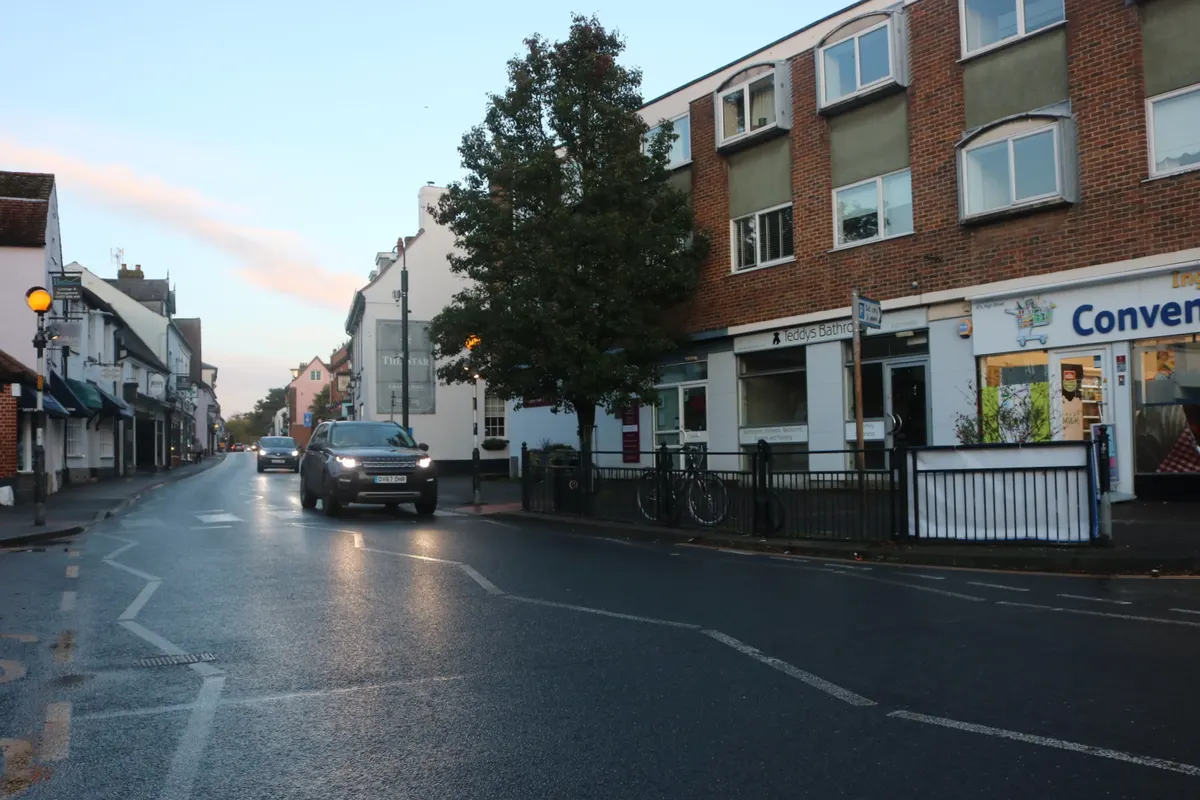
Ingatestone offers a smaller-scale family life. The parish council describes it (opens in a new tab) as a village with shops, a library, a surgery, pubs and restaurants, so many everyday errands can stay local. Nearby Ingatestone Hall (opens in a new tab) is a Tudor house with gardens; it opens seasonally, so treat it as an occasional outing rather than a year-round local venue.
A weekend idea: a stroll along the high street and a stop at the library, with a visit to the hall and gardens on one of its open days.
The trade-off: village life suits some families better at some ages than others. Check childcare, clubs and activities children may want as they grow, and how you would reach a bigger town for them. Also ask how you would get home if you missed your usual train or needed to collect a child unexpectedly.
Berkshire: Maidenhead
Maidenhead: Thames walks and a family arts centre
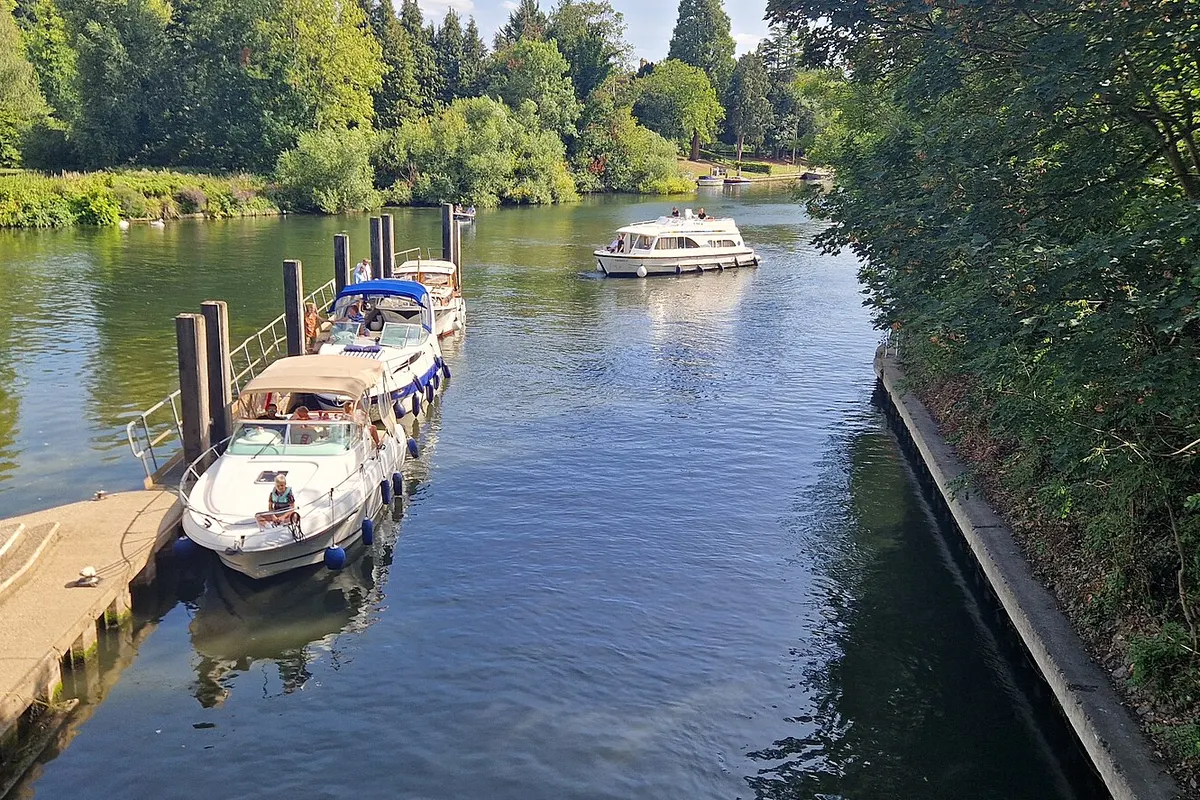
Maidenhead's riverside is a real asset for families. Near Boulters Lock, Ray Mill Island (opens in a new tab) is a council-run open space for watching boats and a riverside wander; the council notes that high river levels can close the island, so check access before you go.
For indoor time, Norden Farm Centre for the Arts (opens in a new tab) runs a programme of performances, films and activities, with visitor information (opens in a new tab) on its site.
A weekend idea: a riverside walk at Boulters Lock in the morning, then a family show or film at Norden Farm.
The trade-off: the river, the station and Norden Farm sit in different parts of town. Compare neighbourhoods rather than assuming every home is walkable to all three.
Buckinghamshire: Amersham
Amersham: an Old Town high street and a hands-on museum
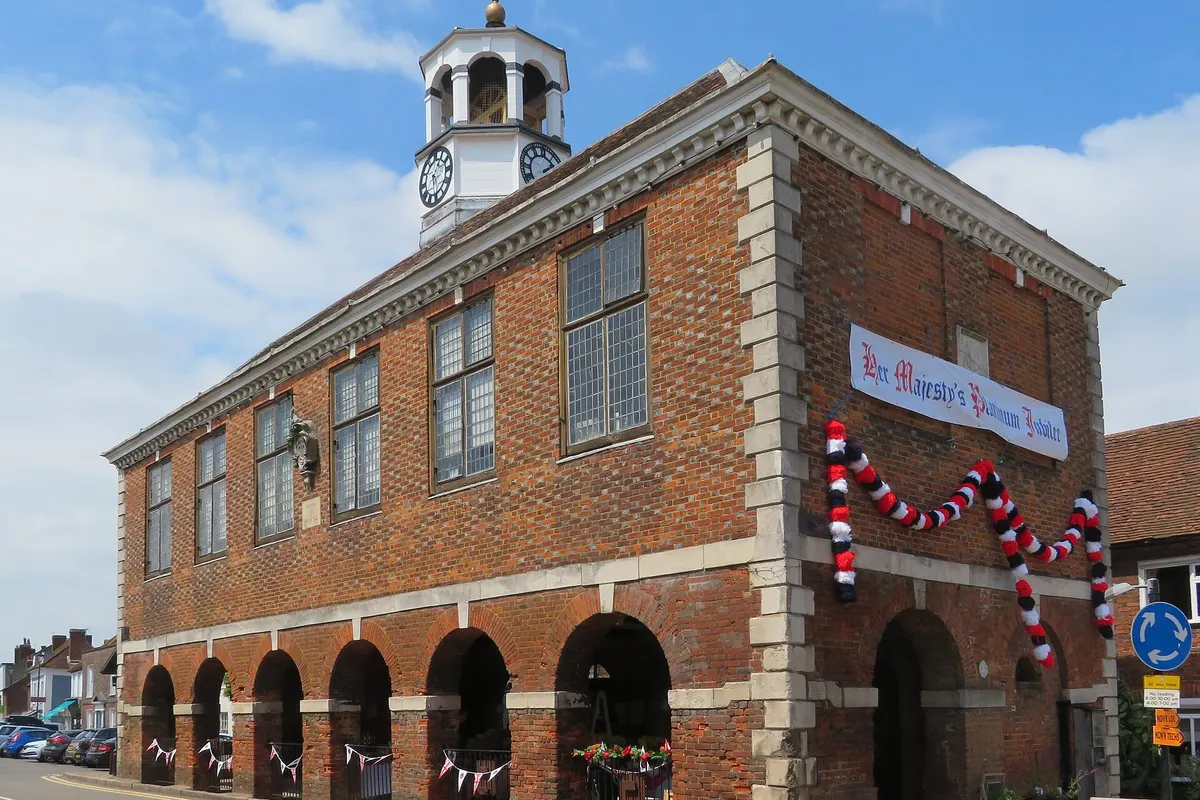
Amersham has two characters. Old Amersham's high street (opens in a new tab) is lined with historic buildings, and the town's visitor site lists independent places to eat and drink (opens in a new tab). Amersham Museum (opens in a new tab) has a garden and runs family activities (opens in a new tab), which makes it a good small-scale outing with younger children.
A weekend idea: a family activity at the museum, then lunch in the Old Town.
The trade-off: the town council describes Old Amersham and Amersham-on-the-Hill (opens in a new tab) as distinct parts of the town. Compare the area around a prospective home with the station you would use, rather than choosing from the town name alone.
Four checks that matter more than a “best town” ranking
1. Calculate the whole commute. Add home-to-station travel, waiting, the train, any interchange and the final walk. Repeat it for the return trip and for both adults where relevant.
An illustrative calculation: 12 minutes to the station + 8 minutes waiting + 30 minutes on the train + 15 minutes onward travel is 65 minutes door to door. That is an example, not a quoted journey for any town above.
2. Price a normal month. Compare the housing payment, council tax, travel, station parking, childcare and any extra car dependence. Use current quotes and comparable homes. This guide does not claim that one town is automatically affordable.
3. Check the school's actual rules. Admission criteria vary by school (opens in a new tab), and may include distance, siblings, faith or selection. Proximity is not a guaranteed place. Our school catchment guide explains what to investigate.
4. Separate timetable speed from reliability. ORR publishes station performance (opens in a new tab) including punctuality and cancellations. Station averages cover different trains and directions; they cannot establish the reliability of your specific commute. Read the reporting period and definitions before comparing figures.
Common questions
Which Home County is best for commuting to London with children?
Start with the London destination and school or childcare deadlines, then compare homes on suitable routes. Surrey, Hertfordshire, Kent, Essex, Berkshire and Buckinghamshire each contain plausible options; a county label cannot decide the best fit.
Is a village better than a town for a family?
Only if the everyday arrangements work. A village with useful rail and local services may suit you, but check transport needs, childcare, activities and backup journeys. Ingatestone is one village to compare with a larger centre such as Chelmsford.
Should I move for a school with a strong reputation?
Check the school, its current admission criteria and your alternatives first. A reputation or a nearby address does not guarantee that your child will receive a place or that the school will suit them.
Turn the shortlist into a decision
Choose two or three places that fit your London route and the weekends you want, then compare real homes within your budget. Check a home with Go Locate to explore its location evidence and how it fits your journeys and priorities. You can begin without signing up.
If you are still deciding whether an urban or commuter-town lifestyle suits you, read our guide to living in and near London in your 20s.